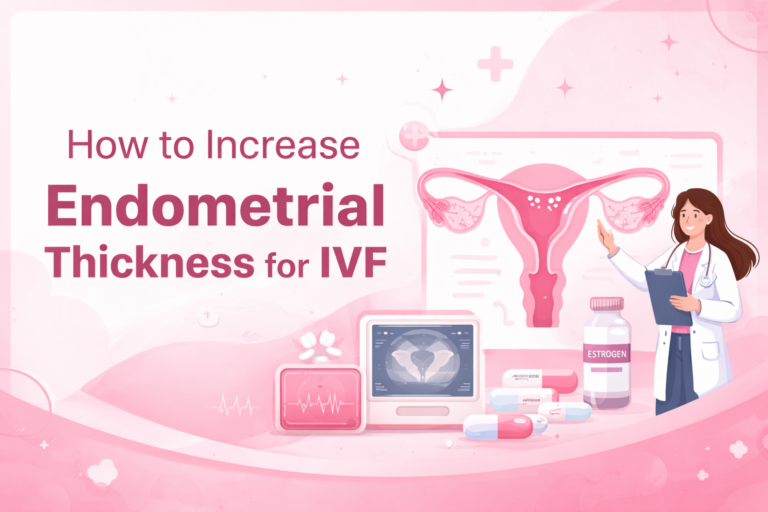
Optimization of the uterine environment is one of the most important factors in making the entire IVF process successful, and the thickness of the endometrial (uterine) layer is a key factor in the entire process of embryo implantation. It has been found that the problem of low endometrial thickness is one of the most prevalent ones in the entire process of fertility treatment. Therefore, it is an important step to know the entire process of optimizing the thickness of the endometrial layer.
our reproductive health specialists use evidence-based medical protocols and advanced fertility treatments to guide patients on endometriel lining thickness effectively. Through personalized care, precise hormonal management, and expert monitoring, we ensure the uterine lining reaches optimal thickness before embryo transfer, maximizing the chances of a healthy pregnancy.
What Is Endometrial Thickness and Why Is It Important in IVF?
The endometrium is the inner lining of the uterus where the embryo implants after fertilization. The endometrium has to attain an optimum thickness during an IVF cycle. This assists in implantation and pregnancy.
Ideal Endometrial lining thickness
-
Optimal range: 7–12 mm
-
Minimum acceptable thickness: ≥7 mm
-
Poor implantation rates: <6 mm
It is possible that the presence of a thin lining can decrease blood flow, hormone receptivity, and embryo attachment, which is known to directly impact IVF success
Common Causes of Thin Endometrial Lining
Identifying the underlying reason is the first step in learning how to increase endometrial thickness for IVF effectively.
Medical and Lifestyle Causes
-
Low estrogen levels
-
Poor uterine blood flow
-
Previous D&C or uterine surgery
-
Chronic endometritis
-
Hormonal imbalance
-
Stress and nutritional deficiencies
-
Smoking or excessive caffeine intake
An expert fertility evaluation is essential to address these causes accurately.
How to Increase Endometrial Thickness for IVF Naturally
Natural methods can support medical treatment and improve uterine receptivity.
1. Improve Blood Flow to the Uterus
-
Daily walking or light yoga
-
Fertility-focused yoga poses (under guidance)
-
Avoid prolonged sitting
Better circulation supports endometrial growth and oxygen delivery.
2. Fertility-Boosting Diet for Endometrial Health
Include:
-
Leafy green vegetables
-
Beets and carrots
-
Nuts and seeds
-
Whole grains
-
Omega-3 rich foods (walnuts, flaxseeds)
These foods help regulate hormones and improve uterine lining thickness naturally.
Medical Treatments to how to Increase Endometrial Thickness for IVF
When natural methods are not sufficient, fertility specialists use evidence-based medical interventions.
1. Estrogen Therapy
Estrogen is the primary hormone responsible for thickening the endometrium. It may be prescribed as:
-
Oral tablets
-
Transdermal patches
-
Vaginal estrogen
This is one of the most effective methods in increasing endometrial thickness for IVF cycles.
2. Low-Dose Aspirin Therapy
Low-dose aspirin may improve uterine blood flow and enhance endometrial receptivity in selected patients.
Always use under medical supervision.
Advanced Techniques for Refractory Thin Endometrium
At advanced fertility centers like Vrinda Fertility, specialized treatments are available for difficult cases.
1. Platelet-Rich Plasma (PRP) Therapy
PRP uses the patient’s own blood plasma to stimulate endometrial growth by:
-
Enhancing tissue regeneration
-
Improving blood supply
-
Increasing implantation rates
2. G-CSF (Granulocyte Colony-Stimulating Factor)
In selected cases, G-CSF may help promote endometrial development when other treatments fail.
Role of Lifestyle Changes in Endometrial Thickness
Lifestyle directly impacts fertility treatment outcomes.
Key Recommendations
-
Quit smoking and alcohol
-
Limit caffeine intake
-
Maintain a healthy BMI
-
Practice stress-reducing techniques like meditation
-
Ensure adequate sleep
These changes support hormonal balance and uterine health during IVF.
When Should Embryo Transfer Be Delayed?
Sometimes, the best decision is to freeze embryos and delay transfer until optimal endometrial thickness is achieved.
Benefits include:
-
Higher implantation rates
-
Reduced cycle failure
-
Better pregnancy outcomes
This decision should always be made with an experienced fertility specialist.
Expert Opinion: Why Personalized IVF Protocols Matter
A general protocol for increasing endometrial thickness for IVF procedures does not exist. For each patient, the following are required:
- Detailed ultrasound examination
- Evaluación hormonal
- Customized Treatment Plans Introduction
Vrinda Fertility’s specialists are able to personalize protocols with medical history, ultrasounds, and IVF success to promote success and establish trust and clarity within the process due to our team’s professionalism and care at Vrinda .
Why Choose Vrinda Fertility for IVF Treatment?
-
Experienced fertility specialists
-
Advanced diagnostic tools
-
Evidence-based IVF protocols
-
High ethical standards and transparency
-
Patient-centric care approach
Take the Next Step Toward a Successful IVF Pregnancy
Do not wait for treatment if you are having trouble with thin endometrial lining and searching online for expert medical advice on ways to improve endometrial thickness before the IVF procedure.
Begin your parental journey with a personalized consultation from a trusted fertility clinic. Amongst the most trusted IVF doctors to approach in case you’re about to begin your parental journey, Dr. Anushka Madan is the one to approach to find a trusted infertility clinic in your area. Get Direction
Frequently Asked Questions