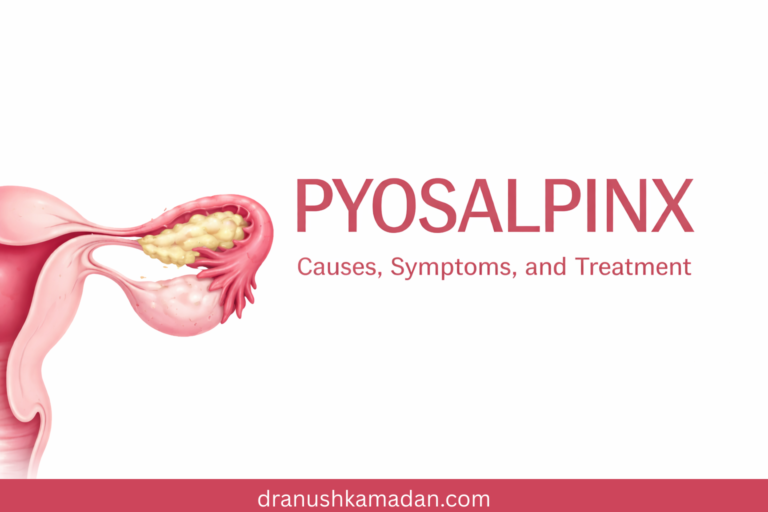
It requires immediate medical concern and it considered to be an advanced or chronic case of pelvic inflammatory disease. It results when pus builds up within the tubes due to pelvic infection. The infection needs to have already taken up residence to cause pyosalpinx.
Moreover, thoughMoreover, though Tubal Abscess is not a frequent condition, cases of it are mostly identified in women of childbearing age or individuals suffering from genital infections that have never sought or received adequate medical care. It is important to gain needed knowledge concerning Tubal Abscess symptomatology, cause and effects, identification techniques, and therapeutic measures to ensure enhanced reproductive health and functionality.
is not a frequent condition, cases of it are mostly identified in women of childbearing age or individuals suffering from genital infections that have never sought or received adequate medical care. It is important to gain needed knowledge concerning Tubal Abscess symptomatology, cause and effects, identification techniques, and therapeutic measures to ensure enhanced reproductive health and functionality.
What Is Pyosalpinx?
Pyosalpinx is an abnormal condition where the fallopian tube is blocked with purulent material as a result of a bacterial infection.
Key Characteristics:
- Affects one or both fallopian tubes
- Usually develops after chronic PID
- Often associated with sexually transmitted infections (STIs)
- Can severely damage the fallopian tubes
Most times,Tubal abscess develops gradually and may even be confused with mild infection of the pelvis.
Pyosalpinx vs Hydrosalpinx
| Feature | Pyosalpinx | Hydrosalpinx |
|---|---|---|
| Tube content | Pus (infected fluid) | Clear serous fluid |
| Cause | Active bacterial infection | Past infection or inflammation |
| Severity | Medical emergency | Often asymptomatic |
| Fertility impact | Severe | Moderate to severe |
Causes of Pyosalpinx
Pyosalpinx almost always results from untreated or inadequately treated pelvic infections.
Common Causes:
- Pelvic Inflammatory Disease (PID)
- Sexually transmitted infections (STIs) such as:
- Chlamydia
- Gonorrhea
- Post-abortion or post-delivery infections
- Complications after pelvic surgery
- Long-standing intrauterine device (IUD) infections (rare)
Risk Factors:
- Multiple sexual partners
- History of PID
- Delayed treatment of vaginal or uterine infections
- Poor genital hygiene
Symptoms of Pyosalpinx
Symptoms may range from mild to severe and often worsen over time.
Common Signs and Symptoms:
- Lower abdominal or pelvic pain (often severe)
- Fever and chills
- Foul-smelling vaginal discharge
- Pain during intercourse
- Irregular menstrual cycles
- Nausea or vomiting
- Difficulty conceiving (infertility)
In advanced cases, pyosalpinx can rupture, leading to sepsis, a life-threatening condition.
How Is Pyosalpinx Diagnosed?
Early and accurate diagnosis is critical.
Diagnostic Methods:
- Pelvic examination – tenderness and mass detection
- Ultrasound (TVS) – dilated, fluid-filled fallopian tubes
- CT scan or MRI – for complex or unclear cases
- Blood tests – elevated white blood cell count
- Laparoscopy – gold standard for confirmation and treatment
Laparoscopy allows both visual diagnosis and immediate surgical management.
Treatment Options for Tubal abscess
Treatment depends on the severity, fertility goals, and overall health of the patient.
1. Antibiotic Therapy
- Broad-spectrum IV or oral antibiotics
- Effective in early or mild cases
- Often combined with hospital monitoring
2. Surgical Treatment
Required when:
- Infection does not respond to antibiotics
- Tubes are severely damaged
- Abscess formation is present
Surgical Options:
- Laparoscopic drainage
- Salpingectomy (removal of affected fallopian tube)
- Adhesiolysis (removal of pelvic adhesions)
Impact of Pyosalpinx on Fertility
Pyosalpinx significantly affects fertility due to:
- Tubal blockage
- Damage to tubal lining
- Toxic fluid affecting embryo implantation
Fertility Considerations:
- Natural conception is often not possible
- IVF success rates improve significantly after removal of infected tubes
- Early treatment may preserve fertility in mild cases
Can Pyosalpinx Be Prevented?
Yes, in many cases.
Preventive Measures:
- Early treatment of vaginal and pelvic infections
- Safe sexual practices
- Regular gynecological checkups
- Prompt treatment of PID
- Avoid self-medication for genital infections
When to See a Doctor
Seek immediate medical care if you experience:
- Severe pelvic pain with fever
- Persistent abnormal vaginal discharge
- Pain during intercourse
- Difficulty conceiving with history of infections
FAQs About Pyosalpinx (Schema-Friendly)
1.Is pyosalpinx life-threatening?
If left untreated, pyosalpinx can rupture and cause sepsis, which can be life-threatening.
2.Can pyosalpinx be cured completely?
Yes, with timely antibiotics or surgery, infection can be cured, but tubal damage may be permanent.
3.Can I get pregnant after pyosalpinx treatment?
Natural pregnancy is rare, but IVF offers high success rates, especially after salpingectomy.
4.Is pyosalpinx the same as PID?
No. Pyosalpinx is a complication of chronic PID, not the same condition.
5.Does pyosalpinx always require surgery?
Not always. Mild cases may respond to antibiotics, but advanced cases usually require surgery.
Conclusion:
The condition is diagnosed and can be treated if diagnosed early. Otherwise, there may be significant problems if left untreated. If left untreated, it may lead to future pelvic disorders like sterility and pain. However, early intervention and proper treatment can help a woman overcome the condition and even start considering further procedures like IVF.
If the symptoms of a pelvic infection are suspected or there are issues regarding infertility, experts in the field of women’s health or fertility specialists at the earliest possible time are the people to turn to.
Available personalized consultation at a reliable fertility clinic and thus initiate your journey to parenthood. Dr. Anushka Madan at vrinda fertility is one of the most reliable IVF specialists to go to if you are embarking on a journey of parenthood and want to identify a reliable infertility centre in your locality. Get Direction