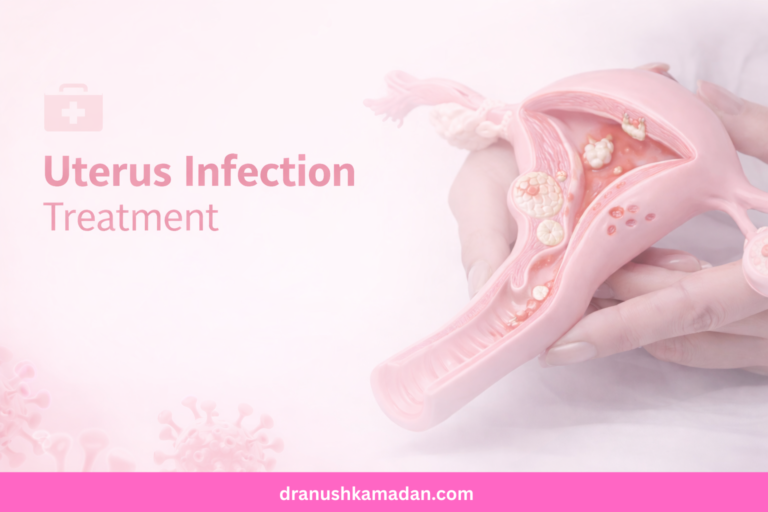
Uterus infections, though more common than most women think, go undiagnosed until the condition worsens. infection, from a medical perspective, is called endometritis. Endometritis infection, which affects the reproductive system, fertility, as well as the woman, can be battled if proper diagnosis of the condition has been made, leading to full recovery from the infection.
What Is a Uterus Infection?
A uterus infection occurs when bacteria enter and infect the uterine lining (endometrium). It can develop due to childbirth, miscarriage, unsafe abortion, pelvic infections, or untreated sexually transmitted infections (STIs).
Medical Terms Used for Endometritis Infection
- Endometritis
- Pelvic Inflammatory Disease (PID)
- Postpartum uterine infection
- Chronic uterine infection
Understanding the type and severity of infection is crucial for choosing the right uterus infection treatment.
Common Symptoms of Endometritis Infection
Symptoms may vary depending on whether the infection is acute or chronic. Some women experience mild discomfort, while others may have severe symptoms.
Early & Common Symptoms
- Lower abdominal or pelvic pain
- Abnormal vaginal discharge (yellow, green, or foul-smelling)
- Irregular or heavy menstrual bleeding
- Fever and chills
- Pain during intercourse
- Fatigue and weakness
Severe or Advanced Symptoms
- High fever
- Severe pelvic pain
- Rapid heartbeat
- Difficulty conceiving
- Symptoms worsening after childbirth or abortion
Ignoring these symptoms can lead to infertility or serious complications, making timely treatment essential.
Causes of Uterus Infection
Understanding the root cause helps doctors plan targeted treatment.
Most Common Causes
- Bacterial infections (E. coli, Streptococcus, Staphylococcus)
- Sexually transmitted infections (Chlamydia, Gonorrhea)
- Poor hygiene during menstruation
- Prolonged labor or C-section delivery
- Retained products after miscarriage or abortion
- Intrauterine device (IUD) complications
How Is Endometritis Infection Diagnosed?
Gynecologists use a combination of clinical evaluation and diagnostic tests to confirm infection.
Diagnostic Tests Include
- Pelvic examination
- Ultrasound scan
- Vaginal or cervical swab test
- Blood tests (CBC, inflammatory markers)
- Endometrial biopsy (in chronic cases)
Accurate diagnosis ensures effective uterus infection treatment and prevents recurrence.
Treatment Options
Treatment depends on the severity, cause, and patient history. Most infections respond well to timely medical care.
1. Antibiotic Treatment (First-Line Therapy)
Antibiotics are the most common and effective treatment for uterus infections.
Commonly prescribed medications include:
- Broad-spectrum antibiotics
- Oral or intravenous antibiotics (for severe cases)
- Combination antibiotic therapy for PID
Treatment duration: Usually 7–14 days
Always complete the full course to avoid resistance
2. Hospital-Based Treatment (Severe Cases)
Hospitalization may be required if:
- High fever persists
- Infection spreads beyond the uterus
- Oral antibiotics are ineffective
Treatment may include:
- IV antibiotics
- Pain management
- Fluids and monitoring
3. Surgical Treatment (Rare Cases)
Surgery is rarely needed but may be advised if:
- Abscess formation occurs
- Retained infected tissue is present
- Infection does not respond to medicines
Home Care & Lifestyle Support During Treatment
Medical treatment works best when combined with proper self-care.
Supportive Care Tips
- Take prescribed medicines on time
- Maintain intimate hygiene
- Avoid sexual intercourse during treatment
- Stay hydrated and eat nutritious food
- Get adequate rest
Avoid self-medication or home remedies without medical advice.
Can Uterus Infection Affect Fertility?
Yes, if left untreated, a uterus infection can damage the uterine lining and fallopian tubes, leading to:
- Difficulty conceiving
- Recurrent miscarriages
- Chronic pelvic pain
Early and complete uterus infection treatment significantly reduces fertility risks.
How to Prevent Uterus Infections
Prevention is always better than cure.
Preventive Measures
- Practice safe sex
- Treat vaginal infections early
- Maintain menstrual hygiene
- Avoid unnecessary vaginal douching
- Regular gynecological checkups
When Should You See a Doctor?
Seek medical attention immediately if you experience:
- Persistent pelvic pain
- Fever with vaginal discharge
- Symptoms after childbirth or abortion
- Difficulty getting pregnant
Prompt consultation ensures faster recovery and prevents complications.
FAQs
Is uterus infection curable?
Yes, most uterus infections are completely curable with timely antibiotic treatment.
How long does uterus infection treatment take?
Mild infections may resolve within 7–10 days, while severe cases may take longer.
Can uterus infection go away on its own?
No. Untreated infections can worsen and cause long-term damage.
Is uterus infection treatment painful?
Treatment itself is not painful, though some discomfort may persist initially.
Can I get pregnant after uterus infection treatment?
Yes, many women conceive naturally after successful treatment.
Conclusion
Uterus infection can be cured, but proper care should be sought to improve reproductive health. If care is delayed, there may be severe health consequences such as infertility. After adopting the right medicine and lifestyle for uterus infection, individuals can recover from it with ease.
Should you notice any unusual symptoms, do not wait but instead seek a qualified gynecologist to take that initial step toward healing and health.
Available personalized consultation at a reliable fertility clinic and thus initiate your journey to parenthood. Dr. Anushka Madan at vrinda fertility is one of the most reliable IVF specialists to go to if you are embarking on a journey of parenthood and want to identify a reliable infertility centre in your locality. Get Direction