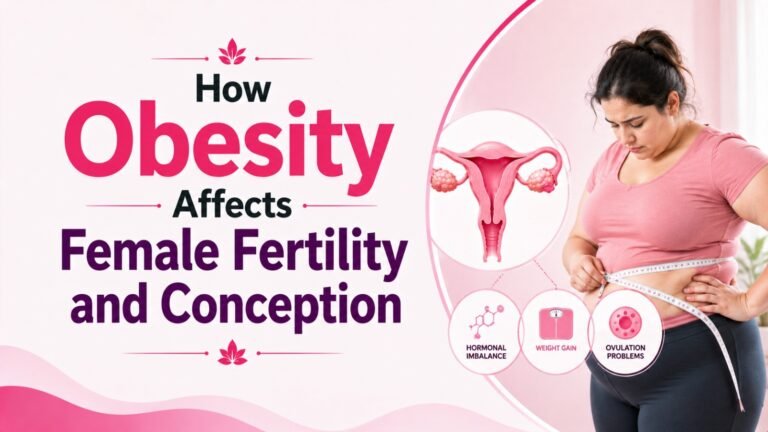
Planning a pregnancy should be a thrilling time for a woman, but for some, the process of achieving a healthy pregnancy can be difficult. One of the most important, though frequently ignored, aspects is obesity. It is important to know How Obesity Affects Female Fertility and Conception for women wishing to conceive or for those women who wish to have a healthy pregnancy in the near future.
Obesity is more than simply being deemed overweight; it is a medical condition which affects hormones, the reproductive system, the metabolism, and general health. Studies show that women that are classified as being obese (BMI of above 30) have, on average, more irregular and sometimes absent menstrual cycles, infertility, and more complicated pregnancies.
The good news, even small changes to how women live their daily lives can significantly impact how women are able to conceive. This piece will analyze how obesity impacts females’ fertility, why having a high BMI impacts the ability to conceive, pregnancy complications, and ways to improve the overall health of women and their ability to conceive.
What Is Obesity?
Obesity is having too much body fat that has a negative impact on one’s health. It is most commonly diagnosed using the Body Mass Index (BMI).
BMI has classifications:
– Underweight: Less than 18.5
– Normal weight: 18.5 – 24.9
– Overweight: 25 – 29.9
– Obesity: greater than or equal to 30
Although BMI is not a definitive body fat measure, its primary use by health professionals and its role in evaluating weight-related health risks is justified.
Obesity continues to be one of the most common global health problems because of various causes, and there continues to be a strong correlation between excess weight and the difficulty to conceive.
How Obesity Affects Female Fertility
There is a strong correlation between obesity and female infertility. Excess body fat has an impact on many of the biochemical procedures and pathways associated with healthy conception.
1. Hormonal Imbalance
Excess body fat disrupts the body’s hormonal balance because fat cells produce active hormones. Additionally, when the body has an excess of fat cells, the level of estrogen increases.
Because of high estrogen levels, the communication between reproductive hormones, the ovaries, and the brain is disrupted and this leads to a lack of predictability in ovulation.
Hormonal imbalance can result in:
– Decreased quality of eggs
– Delayed ovulation
– Missed periods
– Irregular menstrual cycles
It is clear, and conception becomes even more difficult, when ovulation occurs on an irregular basis.
2. Ovulation Problems
Obesity has a negative impact on the release of ovaries to a greater extent than on the ovaries as a whole.
Some women may not release eggs on a regular basis, while others may not release eggs at all (anovulation).
When this occurs:
– There is no egg that can be fertilized.
– Conception remains a biological impossibility.
This is also a primary reason why obesity leads to infertility in many women.
3. Higher Incidence of PCOS
One of the leading causes of female infertility, Polycystic Ovary Syndrome (PCOS), is also strongly associated with obesity.
Women with PCOS have the following signs:
– Irregular menstrual cycles
– High androgen levels
– Multiple cysts on the ovaries
– Insulin resistance
– Ovulation problems
Women with obesity do not always have PCOS, but because obesity is associated with PCOS symptoms, fertility is affected. Insulin Resistance. Women with obesity have an associated condition called insulin resistance. In insulin resistance, cells do not respond to insulin, and as a result insulin levels remain increased. Increased insulin levels stimulate ovaries to produce excess androgen which interfere with development of eggs and which results in:
– Poor egg maturation
– Irregular ovulation and
– Decreased fertility. Many women gain back fertility with improvements in insulin levels due to changes in diet and physical activity.
Pregnancy Risks Linked to Obesity
Pregnancy has its own set of challenges when it comes to obesity. Here are just some risks that may arise:
Gestational Diabetes
Those with obesity are more likely to develop diabetes that occurs during pregnancy and affects blood sugars. There are potentially serious ramifications of not treating this. They include having a big baby (macrosomia), more difficult deliveries in the future, and developing diabetes Type 2 in the future.
High Blood Pressure
Obesity causes an increased risk of two conditions that cause High Blood Pressure during pregnancy. These are referred to as pregnancy-induced hypertension and preeclampsia. Both of these conditions require proper management to safeguard the health of both the pregnant individual and the fetus.
Miscarriage
Studies have shown that there is an increased risk of miscarriage associated with obesity. This risk is considered to still be present when undergoing fertility treatments. It is believed that this added risk is due to inflammation, poor egg quality, and a hormonal imbalance.
Birth Complications
Obesity increases the likelihood that the birthing individual will have a Cesarean delivery, develop Anesthesia complications, experience prolonged labour, and excessive bleeding postpartum. Because of these risks, it is commonly recommended to manage weight prior to becoming pregnant.
Can Weight Loss Help Improve Fertility?
When looking at the field of reproductive medicine, weight loss of a minimal amount can help improve fertility, and this is an exciting finding. Weight loss of 5 – 10% of total body weight can significantly improve the following:
– Help restore ovulation
– Regulate menstrual cycles
– Improve the balance of hormones
– Improve the likelihood of natural conception
– Improve the success rate of IVF
– Improve the overall health of pregnancy and decrease complications.
With all the potential reproductive benefits, it is not necessary to lose an excessive amount of weight.
Healthy Ways to Improve Fertility
Pregnant women should avoid crash diets and make sustainable lifestyle choices. Making sustainable lifestyle changes is more effective for planning pregnancy.
Balanced Diet
A balanced diet consists of nutrient rich foods:
Fresh fruits and Vegetables
Whole grains
Lean Protein
Healthy fats, Nuts
and Seeds
Limit Sugary beverages, processed food, fried foods, and excess of refined carbohydrates
For hormonal health and balanced diet and reproductive health a balanced diet is important.
Exercise
Improvement of the following is an outcome of having regular exercise:
- Insulin Sensitivity
Weight Management
Hormonal Balance
Mental health
The goal should be at least 150 minutes of exercise which is moderate, the rest of the time is spent on maintaining exercise is more important than being intense while you are exercising.
Sleep
Metabolism and reproductive hormones are negatively affected by poor sleep.
Sleeping for at least 7 to 9 hours a night of good sleep is positively affecting weight by keeping hormones balanced.
Stress
The lifestyle changes and hormonal imbalances from chronic stress can indirectly impact your fertility.
positive mental health is important for fertility and can be achieved using the following:
- Meditation
Deep Breathing exercises
Yoga
Journaling
Counselling
Spending Time outdoors
Pregnancy Planning and Fertility
Negative pregnancy outcomes and low fertility are worsened by smoking and drinking. Pregnancy Planning and Fertility improve when alcohol and tobacco use are limited.
Women should think about going to a fertility specialist if they fit any of the following criteria:
– Irregular or absent menstrual cycles
– Have been attempting to get pregnant for 1 year or more (6 months or more if you are 35 years or older)
– Diagnosed with PCOS
– Obese and have infertility concerns
– Have recurrent pregnancy losses
– Are going to start a fertility treatment
The sooner a specialist is able to assess the situation, the sooner the physician is able to create an individualized approach to the problem.
Medical Treatments That May Help
There are a multitude of options that physicians can recommend that depend on the cause of the infertility.
These options include, but are not limited to the following:
– Weight management
– Nutritional Counselling
– Fertility Medications
– Insulin Resistance Treatment
– Management of PCOS
– Ovulation Induction
– Intrauterine Insemination (IUI)
– In Vitro Fertilization (IVF)
Depending on age, medical history, BMI, and reproductive goals will dictate the fertility treatment options.
Preventing Obesity Before Pregnancy
Preventing obesity before pregnancy is extremely important for the health of the mother and baby.
Some important considerations to preventing obesity are:
– eating a healthy diet
– exercising regularly
– managing chronic illnesses
– doing health assessments regularly
– maintaining a healthy weight throughout it all
There are many healthy habits that will prevent obesity during pregnancy that will be extremely helpful throughout the duration of the pregnancy.
Conclusion
There are many ways to improve your fertility that do not require complicated medical procedures. By making healthy lifestyle choices, including healthy eating, exercising regularly, and sleep hygiene, and aiming for a slow and steady healthy weight loss, your fertility may also improve. Losing weight may also reduce the chances of pregnancy complications, including those related to the hormones that regulate ovulation, egg quality and implantation.
If you are having difficulty conceiving because of obesity, a healthcare provider or a fertility specialist may help to identify the other issues and provide you with interventions to help achieve a healthy pregnancy. Lost weight and the appropriate care also improve other long-term health outcomes.