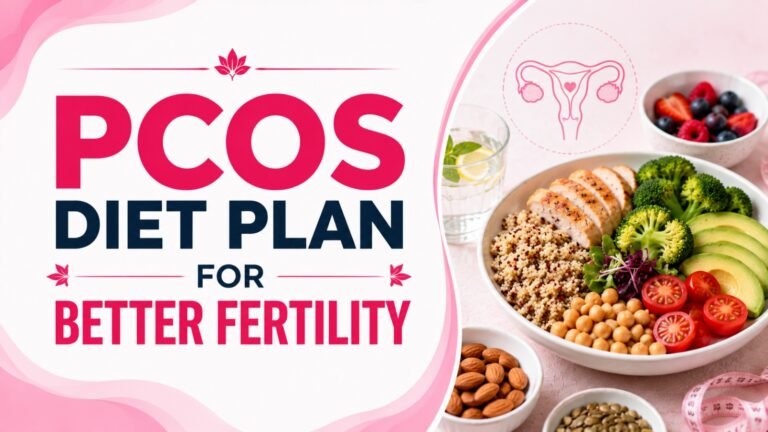
Polycystic Ovary Syndrome (PCOS) is a common hormonal and metabolic condition that can affect people of reproductive age. Irregular periods, unpredictable ovulation, insulin resistance, acne, excess hair growth, and weight-related concerns are some of the features associated with PCOS.
For someone trying to conceive, nutrition can be an important part of overall PCOS management. However, there is no single “fertility food” or magic diet that can cure PCOS or guarantee pregnancy.
A well-balanced PCOS diet plan for better fertility should focus on sustainable eating habits, adequate nutrition, metabolic health, healthy lifestyle habits, and supporting regular ovulation where possible.
The goal should not simply be weight loss. A good nutrition plan should help you maintain energy, support overall health, provide essential nutrients, and complement appropriate medical care.
How Does PCOS Affect Fertility?
PCOS can affect ovulation. Some people with PCOS ovulate irregularly or less frequently, which can make conception more difficult.
Insulin resistance is also common in PCOS. When the body becomes less responsive to insulin, the pancreas may produce more insulin. Higher insulin levels can influence ovarian hormone activity and contribute to increased androgen levels in some people.
This can contribute to:
- Irregular menstrual cycles
- Infrequent or unpredictable ovulation
- Difficulty identifying fertile days
- Hormonal changes
- Difficulty conceiving
However, having PCOS does not mean that pregnancy is impossible. Many people with PCOS conceive naturally, while others may benefit from ovulation-induction medication or fertility treatment.
Why Is Diet Important for PCOS and Fertility?
Diet does not directly “cure” PCOS, but a healthy eating pattern can support metabolic and overall health.
A balanced diet may help:
- Support healthy blood glucose regulation
- Improve overall diet quality
- Provide adequate fiber and protein
- Support a healthy body weight when weight loss is appropriate
- Reduce reliance on highly processed foods
- Support cardiovascular and metabolic health
The 2023 International Evidence-Based Guideline for the Assessment and Management of PCOS recognizes lifestyle management as a core component of PCOS care. Importantly, the guideline does not identify one specific diet composition as universally superior for everyone with PCOS.
That means the best PCOS diet is usually one that is nutritionally balanced, realistic, enjoyable, and sustainable.
Best Foods to Include in a PCOS Fertility Diet
1. Choose High-Fiber Foods
Fiber can help create more balanced meals and may support blood glucose management.
Good options include:
- Oats
- Barley
- Brown rice
- Whole-wheat products
- Quinoa
- Millets
- Lentils
- Chickpeas
- Kidney beans
- Vegetables
- Whole fruits
- Nuts and seeds
For an Indian-style diet, dal, chana, rajma, vegetables, whole grains, and millets can be practical sources of fiber.
2. Include Protein With Meals
Protein can help make meals more filling and nutritionally balanced.
Good protein choices include:
- Eggs
- Fish
- Chicken
- Greek yogurt or plain curd
- Paneer
- Tofu
- Soy
- Lentils
- Chickpeas
- Kidney beans
- Nuts and seeds
Vegetarians can combine legumes, soy foods, dairy, nuts, and seeds throughout the day to obtain a variety of protein sources.
3. Include Healthy Fats
Not all fats are unhealthy. Unsaturated fats can be part of a balanced diet.
Examples include:
- Walnuts
- Almonds
- Flaxseeds
- Chia seeds
- Pumpkin seeds
- Sesame seeds
- Avocado
- Olive oil
- Fatty fish
Healthy fats can contribute to overall heart health and help make meals satisfying.
Remember that fats are calorie-dense, so portion sizes still matter.
4. Eat Plenty of Vegetables
Vegetables provide fiber, vitamins, minerals, and beneficial plant compounds.
Try including a variety of:
- Spinach
- Fenugreek leaves
- Broccoli
- Cauliflower
- Bell peppers
- Carrots
- Green beans
- Okra
- Cabbage
- Tomatoes
- Cucumber
- Bottle gourd
A simple approach is to make vegetables a substantial part of your main meals.
5. Do Not Eliminate Fruit
Some people with PCOS avoid fruit because it contains natural sugar. In most cases, completely eliminating whole fruit is unnecessary.
Whole fruits provide fiber, vitamins, minerals, and other nutrients.
Good options include:
- Apples
- Guava
- Oranges
- Pears
- Berries
- Kiwi
- Papaya
- Pomegranate
Choose whole fruit more often than fruit juice because whole fruit contains fiber and is generally more filling.
Foods to Limit in a PCOS Diet
There is usually no need to label individual foods as completely “forbidden.” Instead, focus on reducing foods that are high in added sugar, highly refined carbohydrates, or heavily processed ingredients.
1. Limit Added Sugar
Try to reduce frequent consumption of:
- Sweets
- Cakes
- Cookies
- Pastries
- Sugary beverages
- Sweetened coffee or tea
- Packaged desserts
These foods can add substantial amounts of sugar and calories without providing much nutritional value.
2. Reduce Highly Refined Carbohydrates
Highly refined carbohydrate foods may have less fiber and can be easier to overconsume.
Examples include:
- White bread
- Refined-flour bakery products
- Highly processed snacks
- Sugary cereals
- Pastries
- Other heavily processed carbohydrate foods
This does not mean carbohydrates need to be eliminated.
Instead, prioritize higher-fiber and minimally processed carbohydrate sources such as whole grains, legumes, vegetables, and whole fruit.
One-Day Indian PCOS Diet Plan
This is a general example, not an individualized medical diet. Your calorie, protein, carbohydrate, and micronutrient needs can vary based on age, activity level, body composition, health conditions, medications, and pregnancy plans.
On Waking
- Water
- Unsweetened tea or coffee, if desired
Breakfast
Option 1:
- Vegetable oats or vegetable upma
- Eggs or plain curd
Option 2:
- Moong dal chilla
- Vegetable filling
- Plain curd
Option 3:
- Vegetable poha
- A small serving of nuts or seeds
- Plain curd
Mid-Morning Snack
- One whole fruit
- Or fruit with a small serving of nuts
Lunch
- 1–2 rotis or an appropriate portion of brown rice/millet
- Dal, rajma, or chana
- Plenty of vegetables
- Salad
- Plain curd
Evening Snack
Choose one:
- Roasted chana
- Plain yogurt
- A small serving of nuts
- Unsweetened tea or coffee
Dinner
- Plenty of vegetables
- Dal, tofu, paneer, fish, chicken, or eggs
- Appropriate portion of roti or another whole-grain carbohydrate
- Salad or cooked vegetables
Before Bed
If you are genuinely hungry, a simple option such as unsweetened milk or plain yogurt may be appropriate, depending on your overall diet and individual needs.
Is Weight Loss Necessary With PCOS?
Not everyone with PCOS needs to lose weight.
For people who have overweight or obesity, modest weight loss may improve some metabolic and reproductive outcomes. However, PCOS management should not be reduced to the number on the weighing scale.
The international PCOS guideline also supports a healthy lifestyle approach that recognizes benefits can occur even without weight loss.
Therefore:
Extreme calorie restriction is not the goal.
Instead, focus on:
Balanced nutrition + regular physical activity + sustainable habits + appropriate medical care.
Is a Low-Carb Diet Better for PCOS?
Low-carbohydrate diets are popular in PCOS management, but severely restricting carbohydrates is not necessary for everyone.
Carbohydrates can be an important source of energy. Rather than eliminating them completely, focus on the quality and portion of carbohydrate foods.
Choose more often:
- Whole grains
- Lentils
- Beans
- Vegetables
- Whole fruits
- Minimally processed carbohydrate sources
If you are considering a very low-carbohydrate or ketogenic diet while trying to conceive, discuss it with your doctor or a qualified dietitian first.
Should You Avoid Dairy With PCOS?
Not necessarily.
Milk, yogurt, curd, and other dairy products can provide protein, calcium, and other nutrients.
If you have a dairy allergy or lactose intolerance, you may need alternatives.
There is no general rule that everyone with PCOS must eliminate dairy.
Should You Follow a Gluten-Free Diet for PCOS?
A gluten-free diet is not automatically necessary simply because you have PCOS.
Unless you have celiac disease, gluten sensitivity, or another medical reason to avoid gluten, whole-grain foods can be part of a balanced diet.
Also remember that “gluten-free” does not automatically mean “healthy.” Some gluten-free packaged foods can still be high in added sugar, fat, and refined starch.
PCOS, Fertility, and Exercise
Diet is only one part of PCOS management.
Regular physical activity can support:
- Cardiovascular health
- Insulin sensitivity
- Muscle strength
- Mood
- Sleep
- Overall metabolic health
Choose activities that you can maintain consistently, such as:
- Walking
- Strength training
- Cycling
- Swimming
- Yoga
- Resistance training
You do not need an extreme exercise program to benefit from being physically active.
Sleep and Stress Management Matter Too
Lifestyle management goes beyond food.
Poor sleep can affect appetite regulation, energy, mood, and metabolic health.
Aim for a consistent sleep routine and adequate quality sleep.
Stress is not the sole cause of PCOS, but chronic stress can affect sleep, eating habits, mental wellbeing, and overall quality of life.
Activities such as walking, yoga, meditation, breathing exercises, hobbies, and social connection may help support overall wellbeing.
What About PCOS Supplements?
The supplement market for PCOS is enormous, but “natural” does not automatically mean safe or effective.
Inositol, for example, has been studied in PCOS, but evidence regarding specific fertility and pregnancy outcomes should be interpreted carefully.
Before taking supplements, especially while trying to conceive, speak with your healthcare professional.
Be particularly cautious about:
- Herbal fertility products
- High-dose vitamins
- Hormonal supplements
- Weight-loss supplements
- Multiple supplement combinations
Supplements should not replace a balanced diet or appropriate medical treatment.
What Should You Eat When Planning Pregnancy With PCOS?
If you are trying to conceive, your diet should focus on nutritional adequacy rather than simply losing weight.
Prioritize:
- Adequate protein
- Fiber-rich foods
- Vegetables
- Whole fruits
- Whole grains
- Healthy fats
- Adequate hydration
- Limited highly processed foods
- Appropriate prenatal supplementation
Folic acid supplementation is an important part of pregnancy planning. The appropriate dose depends on individual circumstances, so discuss supplementation with your healthcare professional.
If you also have diabetes, prediabetes, thyroid disease, hypertension, or another medical condition, your nutrition plan may need to be individualized.
Common PCOS Diet Mistakes
Focusing Only on Weight Loss
PCOS is a complex condition. Excessive focus on weight can distract from nutrition, metabolic health, mental wellbeing, and reproductive care.
Eliminating All Carbohydrates
There is generally no need to eliminate carbohydrates completely. Quality, fiber content, and portion size are more relevant.
Looking for a “PCOS Superfood”
No single food can cure PCOS or guarantee fertility.
Skipping Meals
Long periods without eating can make it harder for some people to manage hunger and may lead to overeating later.
Relying Too Heavily on Supplements
Supplements are not a substitute for a nutritious diet, healthy lifestyle, or evidence-based medical treatment.
When Should You See a Doctor?
If you have PCOS and are planning pregnancy, a preconception consultation can be helpful.
Speak with a healthcare professional if you have:
- Very irregular periods
- Suspected or confirmed irregular ovulation
- Difficulty conceiving
- Previous fertility treatment
- Recurrent pregnancy loss
- Prediabetes or diabetes
- Thyroid disease
- High blood pressure
- Regular medications or supplements
A fertility evaluation should not focus exclusively on PCOS. Depending on the situation, healthcare professionals may also evaluate ovulation, sperm health, fallopian tubes, age-related fertility factors, and other potential causes.
Final Takeaway
An effective PCOS diet plan for better fertility is not about finding a miracle food, detox drink, or extremely restrictive diet.
A sustainable approach focuses on vegetables, whole fruits, fiber-rich carbohydrates, adequate protein, healthy fats, and minimally processed foods while limiting excessive added sugar and highly processed foods.
Diet is only one part of fertility care. Regular physical activity, adequate sleep, stress management, appropriate supplementation, and medical treatment when needed can all contribute to better overall health.
Most importantly, PCOS does not mean infertility. Many people with PCOS successfully conceive naturally or with appropriate fertility support.
If you are trying to conceive, focus on building a nourishing and sustainable lifestyle rather than chasing a perfect diet or a specific number on the weighing scale.
Medical Disclaimer: This article is for general educational purposes and does not replace personalized medical advice, diagnosis, or treatment. If you have PCOS and are planning pregnancy, consult a qualified gynecologist, endocrinologist, or registered dietitian for individualized guidance.
Visit Vrinda Fertility
Take the next step toward your parenthood journey with expert fertility care, advanced treatments, and personalized treatment plans.
Visit Vrinda Fertility today and consult experienced fertility specialists to understand your fertility needs and explore the right treatment options for you.