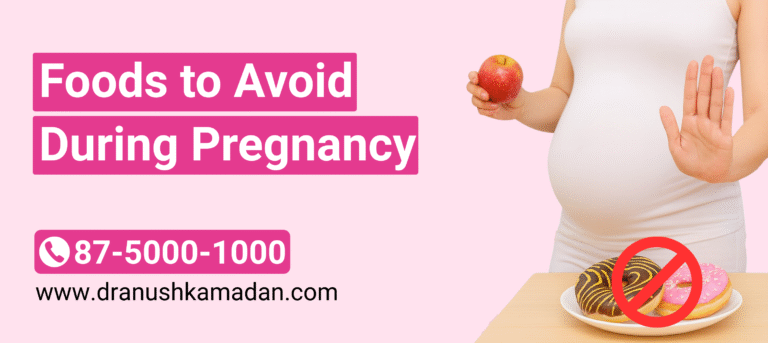
oPregnancy is a beautiful journey, but it’s also a time when your diet matters more than ever. What you eat nourishes not only your body but also your growing baby. While many foods are beneficial, certain foods can increase the risk of infection, hormonal imbalance, or even miscarriage if not consumed cautiously.
Unfortunately, there’s a lot of misinformation floating around about what pregnant women should or shouldn’t eat. This guide, curated under the medical supervision of Dr. Anushka Madan, helps separate myths from facts—so you can make safe, informed dietary choices throughout your pregnancy.
Why It’s Important to Watch Your Diet During Pregnancy
During pregnancy, your immune system weakens slightly, making you more susceptible to foodborne infections such as listeriosis, toxoplasmosis, or salmonella. Some foods also contain compounds or bacteria that can trigger uterine contractions, affect fetal development, or raise miscarriage risk.
By avoiding high-risk foods and following hygiene guidelines, you’re protecting both your health and your baby’s development.
Top Foods to Avoid During Pregnancy
Here’s a detailed list of foods and beverages that should be limited or avoided entirely during pregnancy, along with explanations and safer alternatives.
1. Unpasteurized Dairy Products
Why to Avoid:
Unpasteurized milk, soft cheeses (such as feta, brie, and camembert), and homemade paneer may contain Listeria monocytogenes, which can cause listeriosis and lead to premature labor or miscarriage.
Safe Alternative:
Always choose pasteurized milk and cheese. Check labels for “pasteurized” before purchasing.
2. Undercooked or Raw Meat & Eggs
Why to Avoid:
Raw or undercooked meat, fish, and eggs may carry Salmonella or Toxoplasma gondii, which can harm fetal development and increase infection risk.
Safe Alternative:
Cook meat and eggs thoroughly until no pink remains. Avoid runny yolks, sushi, or rare steaks during pregnancy.
3. High-Mercury Fish
Why to Avoid:
Fish like swordfish, king mackerel, shark, and some types of tuna are high in mercury, which can affect your baby’s developing brain and nervous system.
Safe Alternative:
Opt for low-mercury fish such as salmon, sardines, catfish, and shrimp—2–3 servings per week are safe and beneficial.
4. Excess Caffeine
Why to Avoid:
Too much caffeine can cross the placenta and affect your baby’s heartbeat and metabolism. High intake has been linked to low birth weight and miscarriage.
Safe Limit:
Keep caffeine under 200 mg per day (about one small cup of coffee or tea). Also, watch out for caffeine in chocolates and energy drinks.
5. Papaya and Pineapple – Myth vs. Fact
The Myth:
Many believe that papaya and pineapple can cause miscarriage.
The Fact:
- Unripe papaya contains latex (a compound that may trigger uterine contractions) — avoid it.
- Ripe papaya, however, in moderation, is safe and rich in folate and vitamins.
- Pineapple contains bromelain, which, in large amounts, may affect implantation; however, normal dietary portions are considered safe.
6. Processed & Junk Foods
Why to Avoid:
Highly processed snacks, instant noodles, and sugary drinks are loaded with trans fats, preservatives, and empty calories that can lead to gestational diabetes, excess weight gain, or preeclampsia.
Safe Alternative:
Choose homemade, whole-food snacks—such as roasted makhana, fruit chaat, or whole-grain crackers.
7. Raw Shellfish & Street Seafood
Why to Avoid:
Raw shellfish and street food can harbor Vibrio bacteria and heavy metals that can cause food poisoning or infection.
Safe Alternative:
Cook all seafood thoroughly and avoid unhygienic food stalls during pregnancy.
8. Alcohol & Sugary Drinks
Why to Avoid:
Alcohol is strictly prohibited during pregnancy—it can cause Fetal Alcohol Syndrome (FAS), leading to developmental and neurological issues.
Sugary drinks increase the risk of gestational diabetes and excessive weight gain.
Safe Alternative:
Fresh fruit juices, coconut water, or infused water for natural hydration.
9. Artificial Sweeteners
Why to Avoid:
Some sweeteners like saccharin and cyclamate can cross the placenta. Their safety in pregnancy is controversial.
Safe Alternative:
Use stevia or honey in moderation, after consulting your doctor.
10. Raw Sprouts & Unwashed Produce
Why to Avoid:
Raw sprouts (like alfalfa or moong) and unwashed fruits or vegetables can harbor E. coli or Listeria.
Safe Alternative:
Always wash produce thoroughly and cook sprouts before eating.
Common Myths About Pregnancy Diet
| Myth | Fact (as per Dr. Anushka Madan) |
| You should eat for two. | You only need 300 extra calories per day in the second and third trimesters. |
| Mangoes cause heat and miscarriage. | Ripe mangoes are safe; avoid overconsumption. |
| Cold foods like curd can harm the baby. | No scientific proof. Yogurt is an excellent probiotic for gut health. |
| Spicy food can cause early labor. | Mild spices are safe, but excessive chili can cause heartburn or nausea. |
Foods Linked to Miscarriage Risk (Scientific Overview)
While diet alone rarely causes miscarriage, certain unsafe foods can increase risk factors—especially when hygiene or preparation is poor:
| Food Type | Associated Risk |
| Unpasteurized milk & cheese | Listeria infection → stillbirth/miscarriage |
| Raw meat/fish | Toxoplasmosis → fetal brain & eye damage |
| Alcohol | Fetal Alcohol Syndrome, miscarriage |
| Excess caffeine | Reduced placental blood flow |
| Unwashed produce | Bacterial infections & dehydration |
Expert Advice by Dr. Anushka Madan
Pregnancy nutrition isn’t about restriction—it’s about balance and safety. Avoiding risky foods, eating fresh home-cooked meals, and staying hydrated can make a massive difference in maternal and fetal health.
Healthy Pregnancy Diet Checklist
Include folate-rich foods (spinach, lentils, citrus fruits)
Eat iron-rich foods to prevent anemia (beetroot, red meat, jaggery)
Add calcium & protein sources daily (milk, tofu, eggs)
Drink 8–10 glasses of water daily
Avoid skipping meals or fasting
Prefer freshly prepared meals over packaged food
FAQs About Pregnancy Food Safety
1. Can I eat street food during pregnancy?
Avoid it if possible—unhygienic conditions can lead to food poisoning and dehydration.
2. Is it safe to eat eggs during pregnancy?
Yes, but make sure they’re well-cooked. Avoid raw or runny eggs.
3. Are soft cheeses dangerous in pregnancy?
Only if they’re unpasteurized, pasteurized cheese is entirely safe.
4. Can papaya cause miscarriage?
Only unripe papaya is risky due to the latex content. Ripe papaya in small portions is safe.
5. Is caffeine completely unsafe during pregnancy?
No, but limit it to under 200 mg per day (about one small cup of coffee).
Conclusion: Eat Smart, Stay Safe, and Enjoy a Healthy Pregnancy
Your diet during pregnancy should empower you—not scare you. By focusing on fresh, balanced meals and avoiding high-risk foods, you’re giving your baby the best possible start in life.
For personalized guidance, dietary charts, and pregnancy care, consult Dr. Anushka Madan, a trusted name in fertility and maternal health.
Get Direction For Anushka Madan