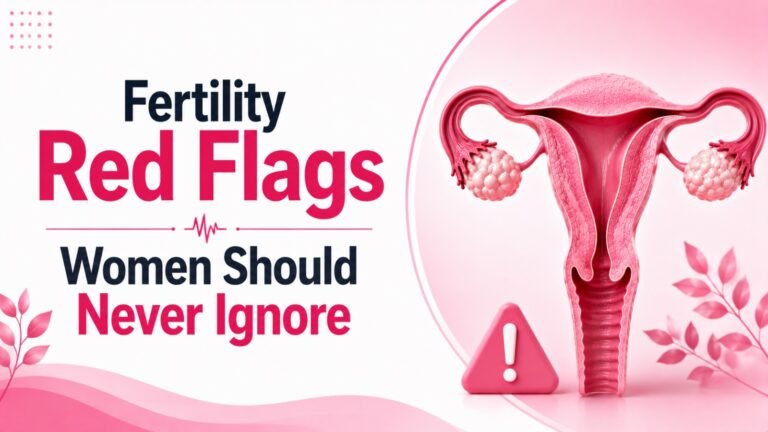
Even though fertility is a key part of a woman’s health, many early signs of fertility issues are not easily recognized or are just considered to be a part of a woman’s health. While menstrual cycles or hormones may occasionally change, continuous symptoms may be the result of a reproductive health issue. Those persistent symptoms may require medical help.
Identifying the fertility red flags women should never ignore may lead to the early diagnosis of a reproductive health issue and improve the chances of conception and the overall health of your reproductive system. Even if you are not trying to start a family in the near future, it is always a good idea to be informed of any issues related to your fertility.
This article provides an overview of the early warning signs of fertility issues, potential causes, and the appropriate time to see a fertility specialist.
Importance of Early Detection
There may not be many visible signs of some fertility health issues, as many of those conditions may slowly develop. Early warning signs should never be ignored, as doing so may limit treatment options in the future and further delay a potential diagnosis.
Some of the benefits of early intervention may be:
- Improved health of future pregnancies
- Improved health of future pregnancies
- Disorders of reproduction and hormones will be less advanced
Typically, the more time that is allowed to pass in which a reproductive health issue is identified, the fewer treatment options there will be available.
1. Missing or Irregular Periods
An irregular menstrual cycle is one the more serious of the fertility red flags women should never ignore.
The typical menstrual cycle occurs every 21 to 35 days. If your periods are unpredictable, absent, or infrequent, better than the average health menstrual cycle, it may be indicative of an issue related to the health of reproductive system and could be the result of insufficient ovulation.
What causes these symptoms? Some possible explanations include:
- Premature ovarian insufficiency
- Polycystic Ovary Syndrome
- Hormonal imbalances
- Thyroid disorders
- Stress overload
- Significant weight change
- Excessive exercise
Ovulation is critical for conception. This means that irregular periods can indicate difficulties with fertility.
2. Extremely Painful Periods
Almost all women experience some level of discomfort during their menstrual cycle. However, the presence of pelvic pain that is severe and disruptive to normal daily activity is not normal.
Disruptive menstrual pain may be the result of:
- Endometriosis
- Uterine fibroids
- Adenomyosis
- Pelvic inflammatory disease (PID)
Endometriosis is one of the chief causes of infertility because of its effects on the ovaries and the reproductive organs.
If the pain of your period is disruptive to your daily activity, you should see a medical professional.
3. Heavy or Prolonged Menstrual Bleeding
In addition to being inconvenient, heavy bleeding may be indicative of other reproductive concerns.
Increased bleeding is characterized by the following:
- Blood clots of substantial size
- Blood soaking a pad or a tampon in under an hour
- Bleeding that lasts over a week
- Frequent anemia
Some possible explanations for heavy bleeding are:
- Thyroid disease
- Endometrial polyps
- Bleeding disorders
- Fibroids
- Hormonal imbalances
Heavy periods can negatively affect fertility and should be evaluated by a medical professional.
4. No Pregnancy After Trying
The difficulty in achieving pregnancy may be one of the most overt indicators of the lack of fertility.
The following are guidelines to help determine when a medical evaluation should be sought:
- The absence of pregnancy after attempting for 12 months if you are under 35.
- The absence of pregnancy after attempting for 6 months if you are over 35.
- The absence of pregnancy after attempting for any length of time if you are over 40.
The reduction of age-related fertility is most pronounced after age 35. This decline makes the need for early assessment more critical.
Infertility may be due to either or both partners. Because of this, both male and female fertility should be assessed.
5. Pelvic Pain Outside Your Period
Pelvic pain occurring at any time during the month should never be dismissed as normal.
With pain, these conditions must be considered:
- Endometriosis
- Ovarian cysts
- Pelvic infections
- Adhesions
- Fibroids
Chronic inflammation and structural problems diminish fertility the longer they remain untreated.
All persistent pelvic pain should be evaluated.
6. Hormonal Symptoms
Some hormonal imbalances may present themselves as disruptions to normal behaviours.
Symptoms to be considered may include:
- Facially more hair
- Acne Hair thinner
- Weight sudden change (up, down)
- Mood
- Tired
These symptoms and some others may represent one or more of the following:
- PCOS
- Thyroid conditions
- Prolactin (high)
- Adrenal gland disorders
With fertility, the health and balance of the body’s hormones is imperative and critical to the development of eggs and ovulation, implantation and all related processes.
7. Recurrent Miscarriages
It is unfortunately not uncommon for women to experience one miscarriage, however, the loss of multiple pregnancies should be investigated.
Among the many causes the following should be considered:
- Genetic
- Uterine
- Hormonal
- Clotting disorders (high)
- Autoimmune (some)
- Chromosomal
Once many of the causes of miscarriage are discovered, they can be treated.
8. Previous Pelvic Infections or STIs
Certain STIs have the potential to cause reproductive organ damage without showing any symptoms.
If STIs are left untreated the following can result:
- Gonorrhea
- Chlamydia
- Blocked fallopian tubes
- Pelvic inflammatory disease
- Chronic pelvic pain
- Infertility
The body may heal, but the damage is often left.
If you want to keep your fertility protected, the best option is to regularly get screened and treat anything that you test positive for.
9. History of Ovarian Surgery
The reserve that you have left in your ovaries may have been impacted by any surgery that you have had on your ovaries.
Some of these surgeries may include:
- Ovarian torsion
- Endometriosis
- Ovarian cysts
- Tumours
If you had any of these surgeries, your doctor may have removed healthy ovarian tissue also, which directly correlates to your reserve of eggs.
If surgeries have been performed on your ovaries, you should definitely have a conversation with your doctor about your future fertility.
10. Starting Early Menopause
If menopause happens before the age of 40, this is classified as Premature Ovarian Insufficiency.
This diagnosis comes with the following symptoms:
- Dryness of the vagina
- Changes in mood
- Sleep disruption
- Hot flashes
- Night sweats
- Changes in patterns of menstruation
Early menopause greatly diminishes your fertility, so the functionality of your ovaries declines greatly and much earlier.
The best option when you have this diagnosis is to act quickly since your options for fertility will be impacted.
11. Chronic Vaginal Infections
While an ongoing vaginal infection may not mean that you are infertile, chronic untreated vaginal infections may greatly impact your reproductive health.
If you have any of the following symptoms, you should seek medical treatment right away to avoid an infection in your reproductive tract:
- Pain during intercourse
- Burning or itching
- Odour with discharge
Early treatment of infections is critical for the health of your reproductive organs.
Lifestyle Factors That Can Impact Your Fertility
If you want to avoid any negative impact on reproductive health, you should change these habits.
Excessive:
- Sleep deprivation
- Exercise
- Stress
- Poor nutrition
- Being underweight
- Obesity
- Excessive alcohol consumption
- Smoking
- These habits
When to Consult a Fertility Specialist
Make an appointment when you have:
- Irregular or absent periods
- Painful or heavy periods
- Recurrent miscarriages
- Difficulty conceiving
- PCOS
- Endometriosis
- Pelvic Infections
- Ovarian surgeries
- Early menopause symptoms
You may get the following tests to check your fertility:
- Hormone blood tests
- Ultrasound
- Tests to see if you ovulate
- Tests for your ovarian reserve
- Tests for your Fallopian tubes
- Semen analysis (your partner’s)
Your specialists may give you more treatment options the earlier you seek help.
How to Help Your Fertility
Your habits affect your overall health and your reproductive health. You can help your fertility with the following:
- Stay at a healthy weight
- Balanced diet full of nutrients
- Regular exercise (but not too much)
- No smoking or recreational drugs
- Less alcohol
- Mindfulness to help stress
- Gynaecological appointments
- Prompt treatment of infections
- Safe sex
- Talk about preserving your fertility if delaying pregnancy
All of these can positively affect your reproductive health long term.
Conclusion
These known fertility red flags should be taken seriously and can point to more severe issues related to your reproductive health and your ability to build a family in the future. Irregular periods, pelvic pain, heavy periods, miscarriages, hormonal changes, and an inability to conceive should never be endured in silence.
The earlier you seek medical attention, the more time your health care team will have to identify the issues and improve your fertility. Even if you’re not planning to conceive soon, this knowledge and treatment can help you make the best health decisions for the future.
Your fertility contributes to your health as a whole. Understanding these warning signs may help your health in the long run.