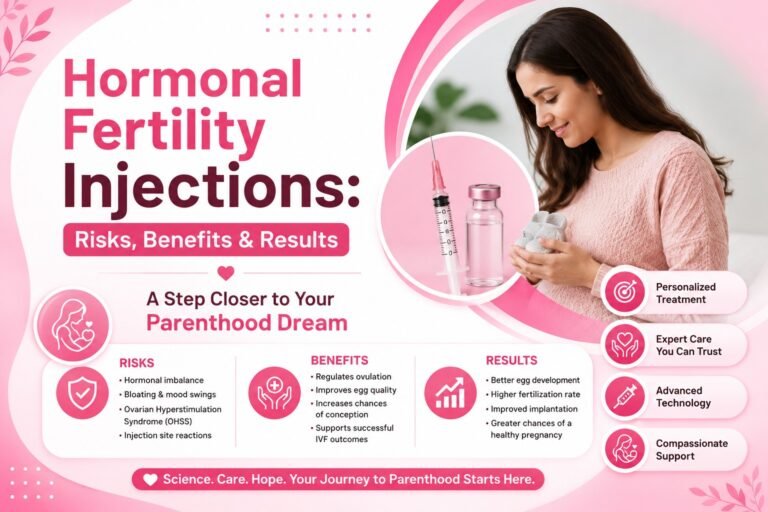
Infertility presents a challenge for many couples around the globe. Recent developments in reproductive medicine have made it a possibility for those couples to start families of their own. Assisted reproductive technology includes a number of procedures, one of the most recommended being hormonal fertility injections. These supplements are essential for the stimulation of ovulation and the enhancement of egg production to increase the possibility of conception.
You may be considering Assisted Reproductive Technology (ART) processes such as In Vitro Fertilization (IVF) or Intrauterine Insemination (IUI) or ovulation induction therapy, and you need to have sufficient knowledge about the fertility hormone injections such as their advantages, disadvantages, risks, expected outcomes, and the realities involved.
This guide provides a detailed analysis of how hormonal fertility injections work, the benefits of using them, some of the side effects you may experience, and what outcomes you, as a patient, can expect, bearing in mind the possible limitations of medicine.
What Are Hormonal Fertility Injections?
Hormonal fertility injections are prescription medicines that regulate or stimulate reproductive processes. These injections are prescribed to women suffering from ovulation-related disorders, some hormonal-related disorders, and some forms of female-related infertility.
These injections enhance the ability of the ovaries to mature the ovarian follicles, which means the ovaries are able to produce mature follicles which are ready for fertilization.
Some of the hormonal fertility medications are:
– Follicle Stimulating Hormone (FSH)
– Luteinizing Hormone (LH)
– Human Chorionic Gonadotropin (hCG)
– Gonadotropin-Releasing Hormone (GnRH) agonists and antagonists
These medications are commonly used in:
– In Vitro Fertilization (IVF)
– Intrauterine Insemination (IUI)
– Egg freezing procedures
– Ovulation induction treatments
How Hormonal Fertility Injections Work
Hormonal fertility injections work by stimulating the ovaries to produce one or multiple eggs during a menstrual cycle.
The Treatment Process
1. Ovarian Stimulation
Hormonal injections are given to grow more follicles in the ovaries.
2. Monitoring
Hormone levels and follicle development are checked through blood tests and ultrasounds.
3. Trigger Shot
An injection of hCG causes the eggs to mature and be released.
4. Fertilization Procedure
Based on the treatment plan, fertilization may occur via Intrauterine Insemination (IUI) or in a laboratory during In Vitro Fertilization (IVF) or via natural conception.
Benefits of Hormonal Fertility Injections
Fertility hormones are a vital component of fertility treatments and have a dramatic effect on improving conception rates.
1. Increased Egg Production
Using fertility hormones stimulates the ovaries to produce multiple eggs. This significantly improves the chances of successful fertilization.
2. Higher IVF Success Rates
When IVF is chosen, the use of fertility hormones means that multiple mature eggs can be collected, resulting in more embryo selections and a higher chance of implantation.
3. Effective for Ovulation Disorders
Conditions such as:
– Polycystic Ovary Syndrome (PCOS)
– Irregular ovulation
– Hormonal imbalance
– Hypothalamic dysfunction
are greatly improved with the use of hormone-based fertility treatments.
4. Controlled Ovulation Timing
The timing of ovulation can be strictly controlled. This is beneficial for
– IVF cycles
– IUI procedures
– and also for treatment of infertility through timed intercourse.
5. Improved Pregnancy Chances
Many couples that struggle with infertility can greatly improve their chances of conceiving a child through the use of these hormone-based infertility treatments.
Risks and Side Effects of Hormonal Fertility Injections
While fertility injections are generally safe under medical supervision, they may cause side effects and complications.
Common Side Effects
Most side effects are usually mild and short-lived.
Physical Symptoms
– Abdominal discomfort
– Breast tenderness
– Headaches
– Mood changes
– Tiredness
– Irritation in the area of the injection
Ovarian Hyperstimulation Syndrome (OHSS)
OHSS is a more serious side effect of the use of hormonal injections in fertility treatment.
Symptoms of OHSS
– Severe bloating
– Rapid weight gain
– Nausea and vomiting
– Shortness of breath
– Pelvic pain
Hospitalisation may be necessary in severe cases.
Multiple Pregnancy Risk
Fertility injections increase the chances of:
– Having Twins
– Having Triplets
– Having even more multiples
Having multiples increases the risks on the mother and the babies.
Emotional and Psychological Stress
Fertility treatments can be an emotional burden because of the:
– Change in hormones
– Uncertainty of the treatment
– Pressure of treatment cost
– Frequent doctor visits
The use of emotional support and counselling is recommended for fertility treatment.
Who May Need Hormonal Fertility Injections?
Doctors may recommend hormonal fertility injections for individuals experiencing:
– Unexplained infertility
– Ovulation disorders
– Poor ovarian reserve
– Endometriosis
– IVF preparation
– Male factor infertility requiring assisted reproduction
Women over age 35 may also receive fertility injections as part of advanced reproductive treatment.
Success Rates and Results
The success of using hormonal fertility injections depends on many things such as the patient’s age and reproductive health along with the type of fertility treatment.
Factors Affecting Success
Age
The success of the treatment is higher in younger women.
Egg Quality
Fertility treatment outcomes are particularly strong when healthy eggs are present.
Underlying Fertility Condition
Success rates are different based on the condition of the underlying factor of the infertility.
Lifestyle Factors
Certain behaviours like smoking and being overweight as well as poor dietary habits and the presence of stress can impact the outcome of fertility treatment.
Average Success Rates
Ovulation Induction
Outcomes of treatment for ovulation induction is generally positive and indicates that conception can occur.
IUI with Fertility Injections
Based on age and the fertility condition, success rates for intrauterine insemination (IUI) is generally estimated to be between 10% to 20% for each treatment cycle.
IVF with Hormonal Injections
Rates of successful in vitro fertilization (IVF) can exceed 40% but success typically declines with increasing age.
Cost of Hormonal Fertility Injections
How much fertility treatment costs for patients depends upon the following:
– The type of medication
– The dose required
– The location of the clinic
– The length of the treatment
Fertility medications often are the most expensive component of an IVF treatment cycle.
There are additional costs that patients need to be aware of, including:
– Blood tests
– Ultrasounds
– Consultations
– Fertility procedures
Tips for Managing Fertility Injection Treatment
Follow Your Schedule Carefully
Don’t be late for your session. Hormonal injections are less effective if they are not administered on time.
Learn Proper Injection Technique
When self-administering, most clinics provide instruction for proper technique.
Maintain a Healthy Lifestyle
Success of fertility treatment is particularly strong when combined with dietary management:
– Healthy foods
– Alcohol cessation
– Reduce stress
– Regular physical activity
– Avoiding tobacco
Stay Emotionally Supported
Manage the stress of fertility treatments by joining a fertility support group or speaking with a counselor.
Are Hormonal Fertility Injections Safe?
With oversight from specialists, hormonal fertility injections maintain overall safety. Fertility specialists oversee every step, including hormone level tests, response, and complications.
Patients must report the following symptoms immediately:
– Symptoms of abdominal distension
– Difficulty with breathing
– Severe pain
– Swelling
– Nausea
Early response enables the reduction of serious effects.
CONCLUSION
More couples than ever conceive with the continued advancement of technologies in treating infertility. Hormonal fertility injections are one of the significant medical breakthroughs in transforming infertility treatments. Hormonal fertility injections enhance ovulation and assist reproductive early processes like IUI and later procedures like IVF.
Before beginning this treatment, potential patients must assess the risk factors, side effects, and emotional disruptions. This can become highly customiesd if they work with skilled specialists from fertility clinics.
Hormonal fertility injections may be helpful for individuals grappling with infertility and wishing to take a step toward achieving their parenting goals.