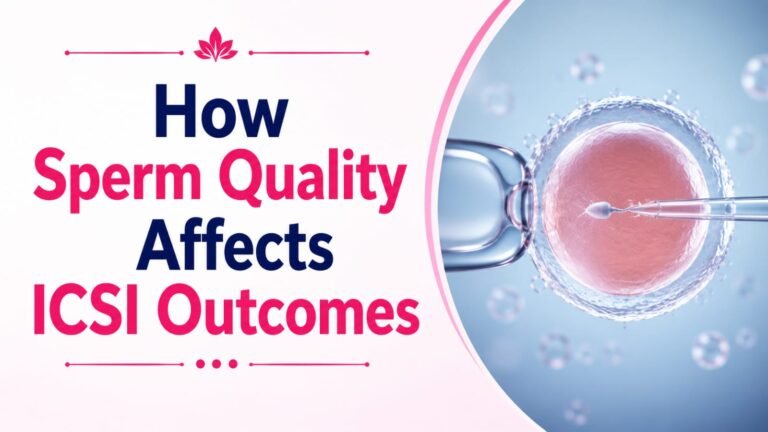
Intracytoplasmic Sperm Injection (ICSI) has helped even more couples achieve successful pregnancies and has helped even more couples overcome male-factor infertility. In Intracytoplasmic Sperm Injection (ICSI), one sperm is injected directly into one egg. Intra Cytoplasmic Sperm Injection (ICSI) bypasses many of the natural barriers of fertilization.
One common misconception of ICSI is that patients believe that the quality of the sperm that they select and inject does not matter due to the fact that only one sperm is selected out of many.
Unfortunately, ICSI and the numerous barriers that it bypasses do not eliminate the fact that the quality of the sperm selected out of many does impact ICSI outcomes. Quality of the sperm selected out of many for ICSI will impact not only the rate of fertilization, but also the development of the embryo, the success of implantation, and the rate of live births.
By analyzing the impacts of the quality of sperm on the overall success of ICSI, couples will be able to elevate their chances of achieving a healthy pregnancy.
What is ICSI?
Intracytoplasmic Sperm Injection (ICSI) is a type of advanced assisted reproductive technology (ART) and is most commonly used to help overcome male-factor infertility. In ICSI, a mature egg is injected with one selected sperm via the assistance of an embryologist.
Although ICSI circumvents some challenges associated with sperm, the biological quality of sperm remains important to the outcome of the procedure.
Sperm Quality
Sperm quality encompasses several attributes that impact the ability of sperm to fertilize an egg and create a healthy embryo.
Sperm quality can be assessed with the following parameters:
1. Sperm Count
Sperm count refers to the number of sperm in a sample of semen. Low sperm count can reduce the number of healthy sperm to select from in ICSI.
2. Sperm Motility
Sperm should also have the ability to move efficiently. ICSI requires the selection of only one sperm, however, motile sperm are often healthier and more likely to have intact DNA.
3. Sperm Morphology
Sperm can also be assessed based on the structure of the sperm head, mid piece, and tail. Abnormal morphology can indicate a defect in development and may be associated with a genetic defect.
4. Sperm DNA Integrity
Another important criterion for assessing reproductive success has been the integrity of sperm DNA. High degrees of DNA fragmentation are likely to have a negative impact on embryo quality and the outcome of a pregnancy.
Does Sperm Quality Matter in ICSI?
Sperm quality does matter in ICSI, and for a number of reasons, healthy sperm is still important. ICSI bypasses the need for sperm to transit through the female reproductive tract and naturally penetrate the egg. However, healthy sperm is still important. Poor quality sperm has a negative impact on the following:
– Fertilization rate
– Development of the embryo
– Formation of the blastocyst
– Implantation of the embryo
– Risk of miscarriage
– Live birth rates
Even after successful fertilization, damaged sperm may negatively affect embryo quality and pregnancy rates.
The Effect of Sperm Motility on ICSI Outcomes
Motile sperm are generally viewed as viable and more biologically competent.
Advantages of Sperm that are Highly Motile
– Higher rates of fertilization
– Better quality of embryo development
– More successful pregnancy outcomes
– Greater formation of blastocysts
If sperm motility is very poor, embryologists may have to use specific sperm selection methods to isolate viable sperm cells.
Also, poor motility may suggest a dysfunction of the cell, which may negatively affect embryo quality after the process of fertilization is complete.
Sperm Morphology and the Success of ICSI
Poor morphology of sperm has been typically related to a lower potential to achieve fertility.
Some common morphological defects include:
-tails of differing lengths
– double-headed sperm
– large or small heads
– mid piece defects
Although ICSI allows embryologists to select the best available or most attractive sperm, if sperm has poor morphology, it may reflect poor morphology of sperm and poor genetics and poor chromosomes.
Research shows that severe poor morphology of sperm (teratozoospermia) has been associated with:
– Higher rates of fertilization failure in certain circumstances*
– Reduced development of blastocysts*
– Poor quality of embryos*
– Negative correlations with ICSI embryo quality*
However, morphology alone is often a better predictor of sperm quality than the integrity of DNA and sperm.
Sperm DNA and Damage Fragmentation
Sperm DNA fragmentation and damage is very important to and strongly affects ICSI outcomes.
What is DNA Damage and Fragmentation?
Sperm DNA fragmentation and damage occurs when breaks and gaps are present in the genetic material of the sperm. This can be a result of:
– Varicocele
– Chronic disease
– Environmental toxins
– Advanced paternal age
– Smoking
– Oxidative stress (an imbalance of free radicals)
-Poor lifestyle habits
Effects on ICSI Outcomes
If DNA fragmentation of sperm is high, ICSI outcomes may include:
- fewer fertilizations
- poor quality embryos
- slow developing embryos
- failed implantation
- higher chance of miscarriage
- lower chance of live birth
There is a high chance of embryos with a normal appearance developing with DNA damage.
The Relationship Between Sperm Quality and Embryo Development
After fertilization, an embryo is made up of both maternal and paternal DNA.
From sperm comes:
- half of the embryo’s DNA
- centrioles necessary for cell division
- epigenetics that will guide the embryo’s development
Poor quality sperm may affect:
- the speed of cell division
- the formation of the blastocyst
- the viability of the embryo
- the stability of the embryo’s DNA
The quality of the embryo is highly dependent on the quality of the sperm, even with the ICSI procedure.
Can Poor Sperm Quality Increase Miscarriage Risk?
There are new studies that are starting to show that poor quality sperm may cause a higher chance of miscarriage.
Men that have a higher level of DNA fragmentation may carry a higher risk of:
- recurrent miscarriage
- failed implantation
- early miscarriage
This is because damaged paternal DNA will disrupt the development of embryos after implantation.
It is very important to check the quality of sperm and provide appropriate treatment early when there is a high chance of fertility.
Advanced Sperm Selection Techniques in ICSI
Some fertility clinics have started to implement new innovative techniques to sperm selection to improve the results of ICSI.
Physiological ICSI (PICSI)
PICSI helps to identify sperm that is mature and has improved biological quality.
Intracytoplasmic Morphologically Selected Sperm Injection (IMSI)
IMSI involves high-powered microscopy to choose sperm with optimal morphology.
Magnetic Activated Cell Sorting (MACS)
MACS helps eliminate sperm undergoing apoptosis or invovled with cellular damage.
Microfluidic sperm selection
is a recent technological advancement that offers sperm with good motility and lower DNA fragmentation.
All of these technologies have the potential to enhance the quality of the resultant embryo and improve the likelihood of pregnancy in certain patients.
Not all the technologies mentioned above are utilized in commercial clinics due to the costs. As a result, many are still limited to research and development.
Lifestyle Factors That Influence Sperm Quality
Even small lifestyle adjustments can have a lasting positive impact on sperm quality and can increase the odds of a successful ICSI procedure. Below are some changes that can produce positive outcomes.
Keep Weight Within Normal Limits
Maintaining a healthy weight leads to reduced oxidative stress and a balanced system of hormones.
Quit Smoking
Smoking is known to increase sperm DNA damage and to lower an individual’s potential to conceive.
Reduce Alcohol Consumption
Heavy drinking lowers both the quantity and quality of sperm a man produces.
Make Positive Dietary Changes
Including diet changes that incorporate antioxidants greatly changes the health of sperm. Positive dietary choices have included.
– CoQ10
– Omega-3
– selenium
– zinc
– Vitamins C and E
Increased Antioxidants
Sperm health has improved greatly with an increase in antioxidants within a man’s diet.
Increased Physical Activity
Moderate activity is known to assist in the balance of hormones within the body leading to improved reproductive ability.
Lower Stress Levels
Excessive stress may lead to changes in the production of hormones that can negatively alter the ability to produce sperm.
Improve Sperm Quality Pre-ICSI
ICSI has both medical and lifestyle elements for improvements pre-ICSI. It may entail:
– A healthy diet with fertility in mind
– Supplements prescribed by the physician
– Varicocele surgery if indicated
– Managing chronic health conditions
– Reducing exposure to heat that may affect the testies
– Reducing exposure to toxins that may be in the environment
– Healthy sleep habits
Changes are not noticed immediately, due to the cycle time of sperm development being between 70-90 days.
Conclusion
The ability to fertilize utilizing ICSI is a game changer for Male factor infertility. Sperm health is still a deciding factor for ICSI success.
Factors like motility and morphology also come into play, but sperm DNA integrity critically affects successful fertilization, embryo development, implantation, and subsequent live birth rates.
It is important for couples about to undergo ICSI to understand that the health of the sperm is not just about choosing one sperm for injection.
ICSI is a highly complex procedure and therefore sperm testing that goes beyond the norm and a formal assessment of fertility, as well as the implementation of targeted changes in lifestyle, can enhance the chances of successful reproductive interventions.
By improving the quality of the sperm prior to intervention, couples can expect a greater likelihood of a healthy pregnancy following ICSI.