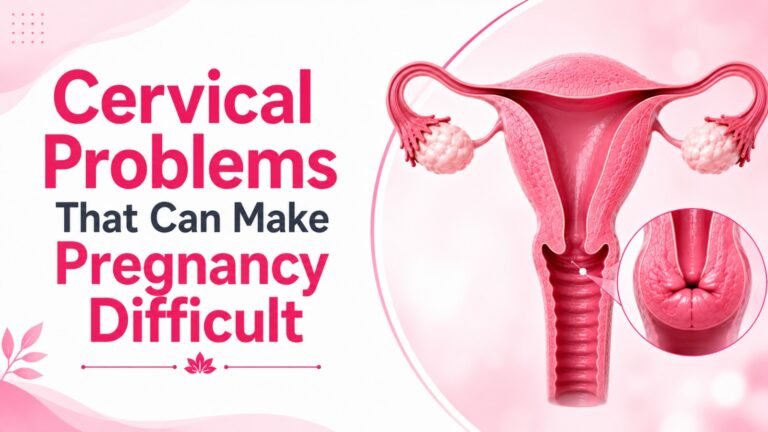
For many couples, diagnosing the cause of their infertility is especially frustrating because they assume it is a problem with ovulation, sperm factors, or hormone levels. The cervix and some cervical problems that can make pregnancy especially challenging and problematic may also contribute. There are issues with cervical anatomy, structure, and function that interfere with the movement of sperm to the uterus, fertilization and implantation of the embryo, and that can increase the likelihood of a spontaneous abortion or miscarriage.
The cervix is the lower, narrow segment of the uterus that is connected to the vagina. During the period of fertility, the cervix produces cervical mucus. This type of mucus protects and nourishes sperm on its journey to the egg. During pregnancy, the cervix remains closed to protect the developing embryo and fetus from infection and from giving birth before the end of the normal term.
Obstruction or impairment of the structure and function of the cervix due to infections, scarring, or cervical insufficiency may be detrimental to fertility and pregnancy outcome. By understanding these conditions, women may be able to obtain a more accurate diagnosis and receive treatment with the goal of improving pregnancy outcomes.
What Is the Cervix and Why Is It Important for Pregnancy?
The cervix has many important functions when it comes to reproduction:
- It produces cervical mucus that is necessary to sustain sperm and allows them to enter the uterus.
- It creates a barrier to pathogenic bacteria.
- It remains closed to support the pregnancy, only to open when labor occurs.
The proper function of the cervix is essential for both the act of conception and the healthy carrying of a pregnancy to completion.
Common Cervical Problems that Can Make Pregnancy Difficult
A variety of cervical conditions can lead to infertility or more complicated and difficult pregnancies.
1. Cervical Stenosis
An example of cervical stenosis is when the cervical canal is narrowed or closed.
Causes
- Past cervical surgeries
- LEEP
- Cone biopsy
- Radiation
- Congenital defects
- Changes during menopause
How It Affects Pregnancy
Some effects of narrow cervix may include:
- Inability to get sperm to the uterus
- Inability to relieve menstrual flow
- Making fertility procedures more complicated
- Prolonging the amount of time to get pregnant
Symptoms
- Painful menstruation
- Short menstrual flow
- Trouble getting pregnant
- Infertility with no obvious reason
Treatment
Depending on cervical stenosis severity, physicians may recommend:
- Cervical dilation
- Surgery for stenosis
- Fertility interventions (IUI, IVF)
2. Cervical Incompetence (Weak Cervix)
Cervical insufficiency is an example of a cervix that opens prematurely during pregnancy because of weakness.
It is generally not an issue for getting pregnant, but it can affect pregnancy greatly.
Risk Factors
- Previous cervical surgeries
- Multiple D&C
- Congenital weakness of the cervix
- Uterine malformations
- Previous loss during the second trimester
Symptoms During Pregnancy
- Pressure in the pelvis
- Backaches
- Light bleeding
- More vaginal discharge
Warning symptoms are often not present.
Treatment
Some of the more common treatment options are:
- Cervical cerclage
- Progesterone
- Stretching the cervix with ultrasound to monitor length
- Modifying activity
Many women have healthy babies with these treatment options.
3. Abnormal Cervical Mucus
Cervical mucus is essential for sperm and must be in healthy condition.
Usually, right after ovulation, cervical mucus is:
- Clear
- Slippery
- Stretchy
- Egg-white Like
This type of mucus helps sperm travel to the egg.
Factors Behind Poor Cervical Mucus
- Hormonal issues
- Low estrogen
- Some drugs
- Chronic infections
- Autoimmune diseases
- Smoking
- Dehydration
Effects on Conception
Poor cervical mucus may
- Kill sperm too soon
- Stop sperm movement
- Shorten sperm life
- Lower probability of natural conception
What is the Solution?
Doctors may suggest
- Hormonal therapy
- Lubricants that are fertility friendly
- Lifestyle changes
- Monitoring ovulation
- IUI (intrauterine Insemination) in some cases
4. Cervical Polyps
Cervical polyps are small, often benign, growths on the cervix.
Most of them are not harmful but they may affect your fertility.
Symptoms
- Bleeding after sex
- Spotting in between cycles
- More vaginal discharge
- Bleeding after menopause
Effects on Conception
Large polyps may:
- Hinder sperm entry
- Increase inflammation
- Possibly hinder implantation
What is Solution?
Most cervical polyps can be removed easily in an outpatient procedure.
5. Chronic Cervicitis
Cervicitis is inflammation of the cervix.
Causes include:
- STIs
- Bacterial infections
- Chemical irritations
- Allergic responses
Symptoms include:
- Discharge
- Pain in the pelvis
- Pain during sex
- Bleeding after sex
- Painful urination
Effect on fertility:
- Cervical mucus may be altered
- Cervical tissue may be damaged
- Sperm may not survive as long
- Pelvic infections may become more frequent
Treatment depends on the cause and may include:
- Antibiotics
- Antivirals
- Treatment of sexual partners
- Testing after treatment to see if the infection is gone
6. Cervical Scarring
Scars on the cervix may be caused by:
- Cervical surgery
- LEEP
- Cone biopsy
- Childbirth
- Other medical procedures
How It Affects Pregnancy
Scars on the cervix may:
- Narrow the cervical canal
- Reduce the amount of cervical mucus
- Prevent the opening of the cervix during labor
- Hinder the transport of sperm
- Reproductive goals help determine the treatment options.
7. Cervical Fibroids (rare)
Fibroids usually grow in the uterus. However, they grow in the cervix sometimes.
Large fibroids may:
- Block sperm entry
- Change the shape of the reproductive system
- Change the shape of the reproductive system
- Increase the risks associated with pregnancy
- Treatment may include removal or watching the fibroid.
Can Cervical Cancer Affect Fertility?
Yes. Both cervical cancer and the treatments for it may affect fertility.
Possibility of fertility-related complications can include the following:
- Narrowed cervix after medical treatment
- Less cervical mucus
- Higher risk of miscarriage
- Difficulties related to conception
Luckily, many women can undergo fertility-preserving treatments after diagnosis at an early stage thanks to early signs of changed health via regular cervical screenings.
How Are Cervical Issues Diagnosed?
Healthcare professionals have different methods for the diagnosis of cervical abnormalities.
These may include the following:
- A pelvic exam
- Pap smear
- HPV test
- Colposcopy
- Transvaginal ultrasound
- Hysteroscopy
- Cervical cultures
- MRI as needed
Diagnosis at early stage have better outcomes of treatment.
Available Treatment for Cervical Issues
Available treatments depend on the condition.
Generally, they can include the following:
Medical Treatments
- Antibiotics
- Hormonal medications
- Progesterone therapy
- Anti-inflammatory medications
Surgical Treatments
- Dilation of cervix
- Polyp removal
- Cerclage
- Scar removal
- Cervical reconstruction in select cases
Assisted Reproductive Treatments
In cases where the cervical condition is a major barrier to conception, fertility specialists can offer the following treatments that avoid the barriers of the cervix:
- Intrauterine inseminations (IUI)
- In vitro fertilization (IVF)
- Intracytoplasmic sperm injection (ICSI), particularly when there are male factor infertility issues
These medical treatments increase the likelihood of conception.
How to Promote Good Cervical Health
Although it cannot be guaranteed that all cervical issues can be avoided, the right habits can help in lowering some risks.
These may include:
- Attending regular cervical health screenings, Pap smears, and HPV screenings
- Practicing safer sex to reduce risk of STIs
- Avoiding smoking which impacts cervical health and fertility
- Maintaining a healthy diet with plenty of antioxidants
Strategies to Improve Reproductive Health
- Support your body’s hydration to improve mucous production.
- Get any vaginal or pelvic infections treated right away.
- After any cervical procedures, follow your doctor’s aftercare instructions.
Overall reproductive health impacts both your ability to conceive and the health of your baby.
Fertility Specialist Visits
You should visit a healthcare provider to discuss your fertility if you experience any of the following:
- Have been trying to conceive for one year (or six months for those over 35) without success;
- Have had multiple miscarriages;
- Have abnormal vaginal bleeding;
- Have ongoing pelvic pain;
- Have pain during vaginal intercourse;
- Have had abnormal cervical health with a history of abnormal Pap smears.
Visits to your healthcare provider are important for early diagnosis of any underlying condition and developing the correct treatment for you.
Can women with cervical problems benefit from IVF?
IVF can help women with some cervical fertility issues since IVF circumvents many cervical barriers by putting the embryo(s) directly into the uterus.
Conclusion
Identifying cervical problems that can make pregnancy difficult helps to understand how to manage and protect reproductive health and enhance fertility. Issues with pregnancy and/or conception can be caused by stenosis, insufficiency, chronic cervicitis, and mucus, as well as cervical polyps and cervical scarring. Fortunately, many of these conditions can be addressed with the latest diagnostic techniques and fertility interventions.
Women who experience recurrent pregnancy loss, cervical symptoms, and/or chronic infertility should reach out to their gynecologist or fertility specialist to discuss their concerns. The possibility of a successful pregnancy can be greatly enhanced with accurate and timely diagnosis, customized interventions, and proactive reproductive health appointments.