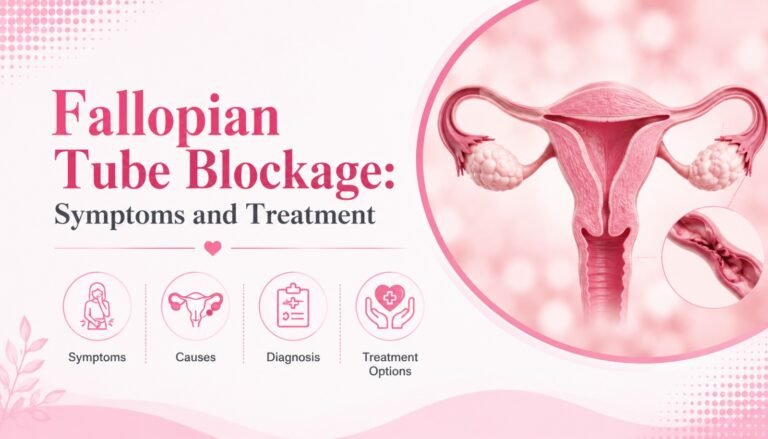
Blockage of the fallopian tubes is one of the most prevalent causes of infertility in women, impacting a large percentage of the population. The fallopian tubes are vital to the reproductive process as they transfer the egg to the uterus and are the location of fertilization. Blockage of one or both fallopian tubes makes natural conception very difficult and often impossible.
Fallopian tube blockages impede a woman’s ability to become pregnant. Knowing the symptoms, causes, and possible diagnoses and treatments of blocked fallopian tubes can help women get the medical attention they need to become pregnant. The purpose of this guide is to help educate women on this important and often overlooked medical condition.
What Are Blocked Fallopian Tubes?
When one or both of the fallopian tubes become blocked, this is referred to as blocked fallopian tubes. When a fallopian tube is blocked, it prevents sperm from reaching the egg, and it also prevents the fertilized egg from being transferred to the uterus.
Depending on the tube’s location and severity of the blockage, the following may occur:
– hindered overall fertility
– create a natural difficulty in conceiving
– increase the likelihood of an ectopic pregnancy
– cause other reproductive health issues
The blockage can occur toward the uterus, the middle part of the tube, or toward the ovary.
Types of Fallopian Tube Blockage
1. Proximal Tubal Blockage
This blockage occurs where fallopian tubes connect to the uterus. This blockage may occur due to inflammation, scarring, and even mucus plugs.
2. Mid-Segment Tubal Blockage
This blockage occurs in the center of the fallopian tube and is commonly due to infections and prior surgeries.
3. Distal Tubal Blockage
This blockage occurs near the ovaries and can lead to fertility complications due to fluid build up, called hydrosalpinx.
4. Unilateral Blockage
This blockage occurs in only one of the fallopian tubes, allowing the possibility of natural conception.
5. Bilateral Blockage
This blockage occurs in both fallopian tubes and makes natural conception almost impossible without medical intervention.
Symptoms of Fallopian Tube Blockage
Blocked fallopian tubes often show no symptoms until the woman attempts to conceive. There may be some noticeable symptoms.
Infertility
This symptom is the inability to conceive after one year of sexual intercourse without contraception.
Pelvic Pain
Blocked fallopian tubes can lead to hydrosalpinx, causing inflammation and pelvic pain.
Painful Menstruation
Blocked fallopian tubes can lead to painful menstruation due to endometriosis and other underlying conditions.
Pain During Intercourse
Blocked fallopian tubes can lead to the formation of pelvic adhesions and deep pelvis pain during sexual intercourse.
Abnormal Vaginal Discharge
Tubal damage occurs with infections that can lead to abnormal vaginal discharge and odor.
Ectopic Pregnancies
A blocked fallopian tube can lead to an ectopic pregnancy. An ectopic pregnancy develops when the fertilized egg cannot travel to the uterus and instead implants in a fallopian tube.
An ectopic pregnancy can cause the following symptoms:
– Severe pain in the abdomen
– Abnormal vaginal bleeding
– Dizziness
– Shoulder Pain
– Fainting
An ectopic pregnancy is a medical emergency and requires treatment right away.
Causes of Fallopian Tube Blockage
There are several conditions that can damage and/or obstruct the fallopian tubes.
Pelvic Inflammatory Disease (PID)
One of the leading causes of blockage is PID. PID is a consequence of an untreated sexually transmitted infection, chlamydia or gonorrhea, and causes damage to the fallopian tubes.
Endometriosis
Endometriosis occurs when the tissue that normally lines the uterus grows outside of the uterus and causes adhesions that obstruct the fallopian tubes.
Previous Pelvic Surgery
Previous surgeries that occur in the abdomen can lead to adhesions or scarring that obstruct the fallopian tubes.
Sexually Transmitted Infections (STIs)
STIs cause tubal damage due to untreated infections that lead to permanent fallopian tube obstruction.
Hydrosalpinx
Hydrosalpinx occurs when a fallopian tube is filled with fluid and obstructs pregnancy.
Fibroids
Fibroids are uterine growths that can obstruct the fallopian tubes.
Tuberculosis
Genital tuberculosis can lead to infertility due to the obstruction of fallopian tubes in some regions of the world.
Risk Factors
The following conditions can lead to an increased risk of having blocked fallopian tubes:
– Having several pelvic infections
– Having an ectopic pregnancy
– Having endometriosis
– Undergoing pelvic surgeries
– Chronic pelvic pain
– Genital tuberculosis
How Fallopian Tube Blockage Affects Fertility
When there is a blockage of the fallopian tube, there is no pathway for the sperm and egg to meet.
Consequences of Fallopian Tube Blockage:
– Sperm cannot reach egg
– Fertilization cannot occur
– Transport of the embryo becomes difficult
– Chances of Pregnancy reduce
If only one tube is blocked, conception may still occur naturally through the healthy tube. However, blockage of both tubes usually requires advanced methods of fertility treatment.
Diagnosis of Fallopian Tube Blockage
The prompt diagnosis of blocked Fallopian tubes provides the most suitable method of treatment.
Hysterosalpingography (HSG)
HSG is an X-ray technique that evaluates the uterus and Fallopian tubes using contrast dye.
Sonohysterography
This imaging technique utilizes saline and ultrasound to study the reproductive organs.
Laparoscopy
A surgical technique that is minimally invasive and allows the visual assessment of the Fallopian tubes and pelvic structures.
Hysteroscopy
A thin camera is placed within the uterus to view any structural issues which may impede fertility.
Fertility Evaluation
Tubal testing may also be combined with assessments of hormonal levels and ovulation.
Treatment of Fallopian Tube Blockage
The treatment of blocked Fallopian tubes is determined by the location, cause and severity of the blockage.
1. Laparoscopic Surgery
Adhesions, scarring and Endometriosis of the tubes can be removed via Laparoscopic surgery. Advantages include:
– Higher potential for fertility
– Less invasive
– Shorter recovery time
2. Tubal Cannulation
This technique opens a blocked section of the proximal tube via a catheter.
3. Salpingostomy
A surgical blockage is performed to create a connection to the ovary when a distal blockage is present.
4. Fimbrioplasty
This surgery restores the integrity of the fimbriae which are damaged.
5. Treatment of Other Conditions.
Managing infections, endometriosis, or fibroids can have positive effects on reproductive health.
6. In Vitro Fertilization (IVF)
IVF can be the most successful approach if both fallopian tubes are markedly damaged or obstructed.
In IVF:
1. Oocytes are extracted from the ovaries.
2. Fertilization takes place in vitro (in a glass).
3. Embryos are then implanted into the uterus.
IVF has an advantage of a high success rate for women with tubal infertility, because the procedure circumvents the fallopian tubes.
Is Fallopian Tube Blockage Preventable?
Not all cases of tubal blockage can be prevented, but there are several measures to help reduce the risk.
Prevention Order
– Use protection during intercourse
– Get STIs treated immediately
– Get routine gynecological examinations
– Control endometriosis in a timely manner
– Follow surgical post-operative care instructions
– Do not postpone treatment of pelvic inflammatory infections
Chances of Getting Pregnant After Treatment
Many women are able to get pregnant after tubal reconstructive surgery or IVF treatment. The severity of infertility and the surgical treatment type play a role in pregnancy outcomes, but infertile women have better chances of getting pregnant if they are younger and if the diagnosis occurs sooner.
When to Consult a Fertility Expert?
Consult with the health care team if:
– You have been trying to get pregnant for more than a year
– You have Chronic Pelvic Pain
– You have a history of Pelvic Inflammatory Diseases
– You have had Ectopic Pregnancies
– You have suspected infertility
Evaluating your situation sooner rather than later can help avoid permanent damage to reproductive health.
Conclusion
Blocked fallopian tubes are a treatable fertility issue, however they can remain symptomless. Blocked fallopian tubes can be caused by a number of conditions and early intervention is critical. Tubal repair, IVF, or advanced reproductive medicine options are available to women who wish to conceive. Blocked fallopian tubes do not mean that women are unable to carry a successful pregnancy to term.
If you suspect problems with your reproductive health, seeking a medical professional is the best option.